There are four practical routes for platinum exposure: physically backed funds, physical bullion and coins, mining company shares, and futures or options contracts. Most beginners do best with the first two because they require no leverage and no company research. Platinum is an industrial metal with a thin resale market, so the route you pick matters far more than the timing you pick.
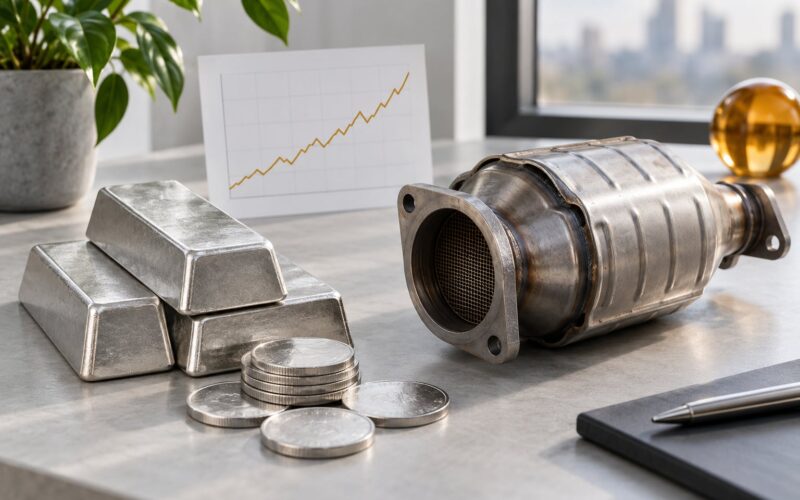
Platinum behaves differently from gold in ways that catch new investors off guard. About a third of annual demand comes from autocatalyst converters in vehicles, which means the price responds to manufacturing output, emissions rules and diesel engine sales, not just investor anxiety. On the supply side, a small number of mines in South Africa and Russia supply a large share of the world’s annual output, and that concentration has tightened supply repeatedly.
None of that predicts where the price goes next. It tells you what kind of asset you are buying, which is the part most guides skip. Rules, tax treatment and account types differ by country, so check the specifics where you live before committing money.
Table of Contents
- What You Need Before You Buy Platinum
- Step-by-Step: How to Invest in Platinum
- Step 1: Set Your Investment Goal
- Step 2: Learn What Moves the Platinum Price
- Step 3: Choose How to Invest in Platinum
- Physically backed funds and trusts
- Physical bullion and coins
- Platinum mining company shares
- Futures and options
- Step 4: Check the Costs and Tax Treatment
- Step 5: Make a Measured Purchase
- Step 6: Monitor and Review the Investment
- Common Mistakes Beginners Make With Platinum
- Frequently Asked Questions
- What is the easiest way for a beginner to invest in platinum?
- Is platinum better than gold for a long-term investment?
- Can I invest in platinum through an ETF?
- How much does it cost to buy physical platinum?
- Are platinum mining shares riskier than platinum itself?
- Does investing in platinum make sense for a retirement portfolio?
- Conclusion: Where to Start
What You Need Before You Buy Platinum
Six things are worth sorting out first. Skipping them is how people end up holding an asset they cannot explain on paper.
- A brokerage account that covers the route. Funds and mining shares need a general investing account; futures and options usually need a separate approval and a margin agreement you should read carefully.
- One written objective. Portfolio diversification, inflation and currency hedging, retirement account exposure, tangible ownership outside the banking system, leveraged speculation, or a small starter allocation. One objective, written down, picks the instrument. Two objectives at once usually means the wrong instrument.
- A position-size ceiling. Decide the maximum share of your portfolio before you buy, not after a price move makes the decision feel urgent.
- A place to see the live price. The platinum spot price quoted by metals dealers, the futures curve and any fund’s market price all differ. Track at least two of them.
- Cost awareness. Expense ratios, bid-ask spreads, storage fees and dealer premiums each take a real bite, and they take it silently.
- Storage and insurance if you buy metal. Home storage, a bank safety deposit box or a professional vault each carry different costs and different risks.
Time commitment is worth thinking about too. A fund position needs an hour a quarter. Physical metal needs a dealer relationship, secure delivery and a place to store it. Futures need daily attention.
Step-by-Step: How to Invest in Platinum
Step 1: Set Your Investment Goal
Write down what the holding is meant to do before you look at any fund. If the goal is diversification away from shares and bonds, a physically backed fund is the cleanest fit and the easiest to size. If the goal is owning metal that no counterparty holds for you, you are buying bullion and need to accept the premium and the storage bill.
Set the ceiling at three to five percent of a diversified portfolio. That is a range, not a rule, and the right number depends on how much of your net worth already depends on the industrial cycle. If your income, your region and your employer all move with manufacturing, platinum adds concentration rather than balance.
Trading is a separate goal with separate rules. If you want to express a view on the next six months, that is futures or options work, and it needs a risk limit written down before the position opens.
Step 2: Learn What Moves the Platinum Price
Six drivers explain most of the movement. Learning them is what separates a holder from someone guessing.
- Autocatalyst demand. Vehicles use platinum to clean exhaust gases. Every petrol or diesel engine sold carries a converter, so production numbers feed straight into demand.
- Substitution. Palladium has filled parts of the catalytic converter role, and tighter emissions rules push the other way toward higher platinum loadings.
- Mine supply. Platinum sits as a by-product of nickel and copper mining, so output responds to those metals’ economics more than to platinum demand. Ore grades have fallen at several large operations while deeper shafts have pushed costs up.
- Industrial production. Chemical and refining catalysts, glass fibre for fibre optics and some electrical contacts add demand that has nothing to do with vehicles.
- Currencies and rates. It is priced in dollars, so a stronger dollar makes it dearer for buyers elsewhere. Higher real rates raise the cost of holding a non-yielding asset.
- Investor sentiment. Bullish headlines draw new money quickly because platinum is thinly discussed. Thin markets mean sentiment moves price further than it would for gold.
The World Platinum Investment Council publishes quarterly supply and demand data, and the London Metal Exchange sets benchmark prices. Between industry data and the exchange, you can usually check whether a rally is supported by shrinking supply or purely by investor flows.
Step 3: Choose How to Invest in Platinum
Each route solves a different problem. Here is the honest trade-off on each.
Physically backed funds and trusts
A fund pools investors to hold metal in a vault, and you buy and sell shares on an exchange like any other listed investment. The structure matters more than the ticker. A trust holding allocated metal gives you title to specific bars, while a fund holding futures gives you exposure to the futures curve instead, which adds roll cost and, in stressed conditions, tracking difference.
Check whether the fund is allocated or unallocated, whether metal is held in segregated storage, and whether the sponsor discloses vaulting and insurance costs. Compare expense ratios across the two or three US-listed physical platinum products, and read the annual report rather than the marketing summary.
Physical bullion and coins
Direct ownership has two real advantages: no fund fee and no counterparty. It also has two real costs. You pay a dealer premium over the platinum spot price when buying and give up a bid below it when selling, and the round-trip spread on a small bar is often several percent of the position.
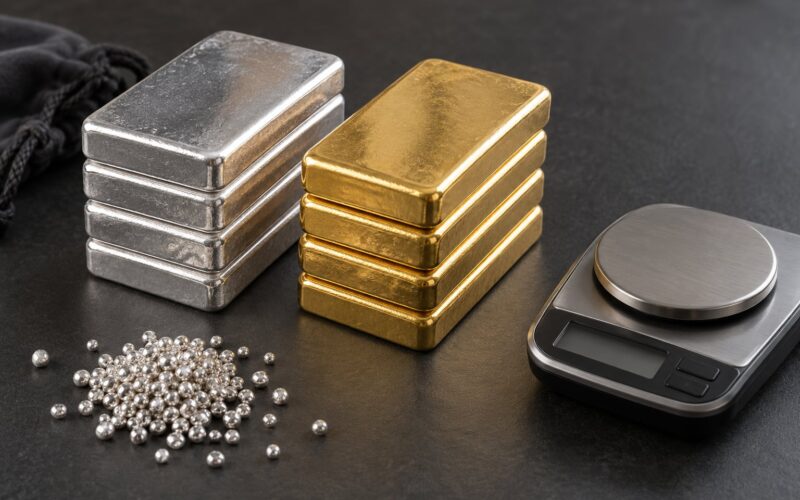
Bars in 1 troy ounce and 10 troy ounce sizes carry the lowest premium per ounce and resell most easily. Coins trade at a premium for their design and mint, which can be wider than the metal content justifies, unless you plan to hold them for decades. Check the fineness stamp: investment bars are typically .9995 fine, while jewelry-grade markings of PT900 or PT950 contain less platinum and should not be bought as bullion. Refiners such as Valcambi, PAMP Suisse and Heraeus carry LBMA Good Delivery accreditation and are widely accepted on the resale market.
Platinum mining company shares
Miners give you leverage to the metal price, because costs don’t move one-for-one with the platinum price. They also add everything the metal does not: management quality, cost overruns, politics, labour disputes and currency risk in the mining jurisdiction. Mine supply is concentrated in South Africa and Russia, so equity holders carry country risk that bullion holders do not.
When screening miners, look at all-in sustaining cost per ounce against the current platinum price, the jurisdiction mix of operations, and whether the company sells forward production, which caps upside when the price rises. Read the hedging policy before the valuation.
Futures and options
These contracts are the standard route to leveraged platinum exposure, traded on COMEX. A futures position can lose more than the margin posted if the market moves against it. Options cap the loss at the premium but decay quickly, and most retail options buyers lose money over time. Leave this route alone until you have tracked the futures curve and roll costs for a few months.
Certificates without allocation are a fifth possibility worth naming and mostly avoiding. They are a claim on a provider’s balance sheet, which makes them a credit exposure wearing a metal costume.
Step 4: Check the Costs and Tax Treatment
Costs decide the outcome more often than entry timing does, and each route hides them differently.
- Funds: an expense ratio deducted daily, plus the tracking difference against the metal price. Roll cost can add or subtract several percent a year depending on whether futures trade in contango or backwardation.
- Physical metal: a dealer premium on the buy side, a wider gap on the sell side, insured shipping, and storage or vault fees that run annually whether you buy or not.
- Shares: brokerage commission, fund management fees inside the mining company, and the operational risk already described.
- Futures and options: commission per contract plus the bid-ask spread, which can be wide outside US hours.
Run the arithmetic on a position you can picture, not a percentage. Take a holding of 10,000 in your account currency and multiply it by a 0.4 percent expense ratio: about 40 a year, deducted daily, before any roll cost. Physical metal on the same amount typically gives up several percent to the round-trip spread between purchase and sale. That gap is the price of owning the metal yourself, and it is worth paying only if holding the metal is the point.
Tax treatment varies by country and by the type of metal and account. In the United States, for example, investment-grade platinum held in an individual retirement account or a tax-deferred account is treated differently from collectible-grade metal held in a taxable account, which can face a maximum federal rate on long-term gains. That is precisely why advice from a tax professional in your own jurisdiction matters before a large purchase. Paying a premium for the tax treatment without checking the current rule is a common and expensive mistake.
Step 5: Make a Measured Purchase
Start with the provider, not the product. Check regulatory registration where you are, company age, published buy and sell prices on the same page, and whether insured delivery and storage are offered. A dealer quoting only that pricing is competitive rather than publishing both sides is telling you something.
Fund your account by bank transfer rather than by card or wire service, and never act on a time-pressure message from an unsolicited contact. Platinum bull runs reliably produce fake storage auditors, fake auction sites and cloned dealer pages. If a seller will not verify serial numbers on arrival or will not name the refiner, stop.
Then stage the purchase. Split the intended amount into three or four purchases spaced over weeks or months. It reduces regret, smooths entry into a thin market and stops a single headline from dictating your average cost. Use limit orders where the instrument is thinly traded, never market orders in metal. Avoid borrowed money, because leverage converts a volatile asset into a permanent loss.
Step 6: Monitor and Review the Investment
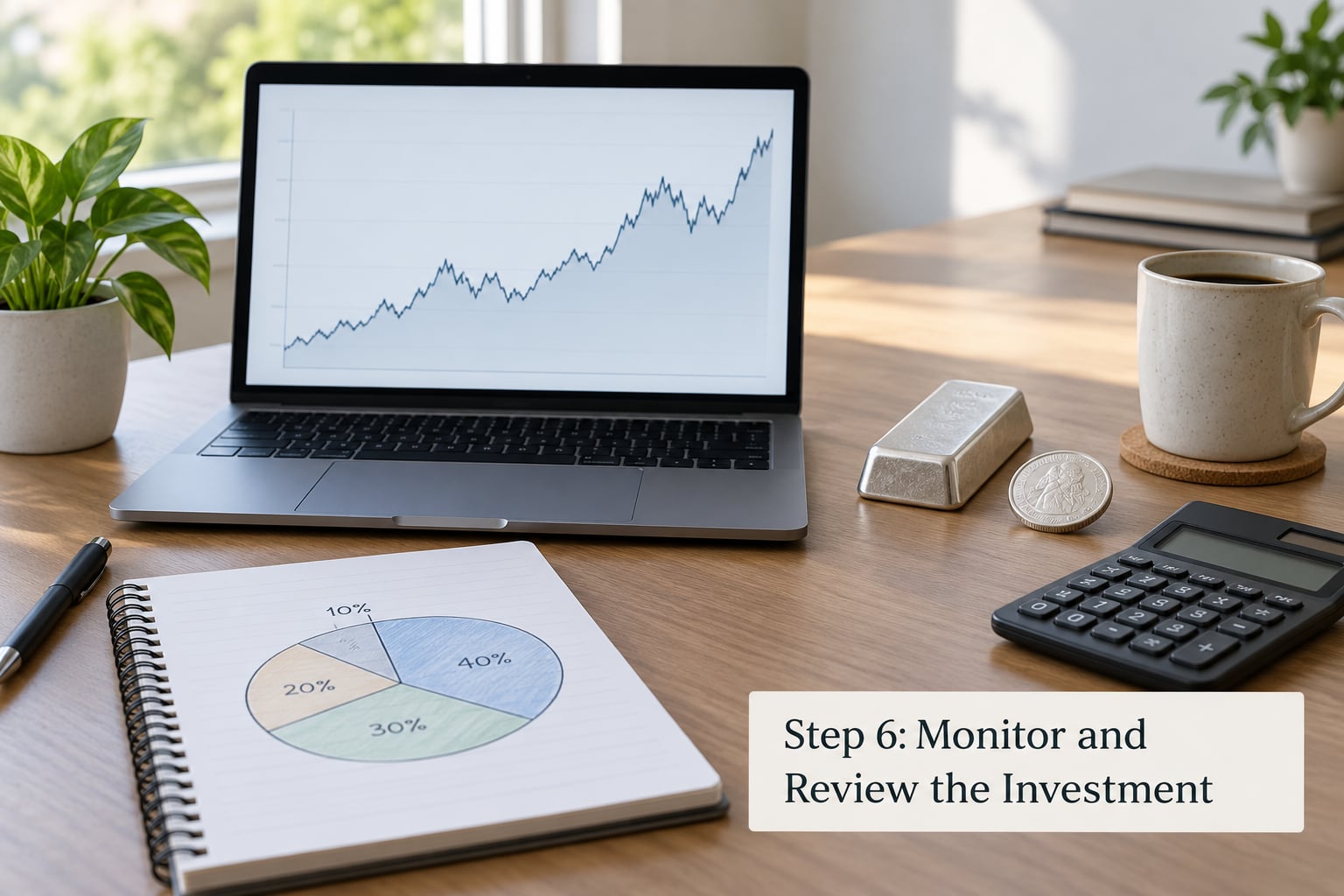
Platinum needs less attention than shares and more than a fund. Four things are worth checking on a fixed schedule rather than daily: quarterly supply and demand data from the industry council, mine supply disruptions, the futures curve shape, and your own allocation percentage.
Rebalance to the ceiling you wrote in Step 1, and sell only for reasons you can state: the allocation drifted, the thesis broke, or the tax position changed. Normal volatility in platinum can be dramatic in a single quarter without changing anything about supply or demand. That is why the review rule has to be a date on a calendar rather than a price on a screen.
If you hold physical metal, re-check your insurer’s coverage limit, because home contents policies often cap precious metal far below the value of a modest stack. Confirm that your storage arrangement still matches what you documented at purchase, and keep the certificates of authenticity and serial numbers in a separate place from the metal.
Common Mistakes Beginners Make With Platinum
These patterns show up again and again in investor discussions, and each has a straightforward fix.
- Treating it as permanent savings. Platinum is a cyclical industrial commodity. Fix: decide the holding period and the exit rule before you buy.
- Buying after a dramatic rise. Headlines about supply deficits arrive when the price has already moved. Fix: stage purchases on a schedule and accept a worse average entry in exchange for a survivable one.
- Starting with leverage. A futures contract magnifies a move that would have been survivable unlevered. Fix: get exposure without borrowing first.
- Concentrating in one miner. A single company’s cost overrun or labour dispute can sink the position regardless of where platinum trades. Fix: if you want miners, spread across several and treat it as equity, not as metal.
- Ignoring the round-trip spread. The buy premium and sell discount quietly consume several percent on small physical positions. Fix: buy in standard bar sizes from an accredited refiner.
- Buying jewelry-grade metal as an investment. PT900 and PT950 hallmarks mean less platinum per unit of weight plus a making charge. Fix: check the fineness stamp before paying.
- Overlooking storage and tax. Both bills arrive annually whether you trade or not. Fix: price the full holding cost, not the metal alone.
- Buying an unallocated certificate. Your return depends on the provider’s solvency. Fix: prefer allocated metal with a clear title and segregated storage.
Frequently Asked Questions
What is the easiest way for a beginner to invest in platinum?
A physically backed fund listed on a major exchange is the easiest route for most beginners. You open a standard brokerage account, buy shares like any other investment, and pay one annual expense ratio instead of a dealer premium, storage bill and resale spread. The trade-off is that you hold a claim on metal held by a custodian rather than metal in your hand. Start small, learn how the price and the fund’s market price move apart from each other, and treat it as a satellite holding.
Is platinum better than gold for a long-term investment?
Neither is better in the abstract. Gold has deeper liquidity, tighter spreads and a longer history as a monetary metal, which makes it easier to enter and exit. Platinum is more volatile, more industrially driven and cheaper per troy ounce, so it offers more upside in a supply squeeze and more drawdown when sentiment fades. Investors who want metal diversification often hold both rather than choosing. Compare the two on volatility, industrial demand and trading cost, not on which one rallied more recently.
Can I invest in platinum through an ETF?
Yes, and it is the most common retail route. A small number of exchange-traded funds and trusts hold platinum or platinum futures, and they trade like ordinary shares. Read the structure before buying: allocated products hold specific bars for shareholders, while futures-based products track a futures curve that can drift from the metal price and add roll cost. Compare expense ratios and check the holdings disclosure each quarter. Remember that fund prices move with the metal, so none of them protects against a falling platinum price.
How much does it cost to buy physical platinum?
You pay the platinum spot price plus a dealer premium, and you sell back at a lower bid. On small bars and coins that round-trip spread can run to several percent of the position, which is far more than a fund’s annual expense ratio. Larger standard sizes such as 1 troy ounce and 10 troy ounce bars from an accredited refiner usually carry the lowest premium per ounce. Add insured delivery, secure storage and insurance on top, since all three are annual costs for as long as you hold the metal.
Are platinum mining shares riskier than platinum itself?
They are, in every dimension that matters. A share adds company risk, cost inflation, political exposure in the mining jurisdiction, labour disruption and management decisions on top of the metal price. Mine output is concentrated in a few South African and Russian operations, so equity holders absorb country risk that bullion holders do not. Shares do give you leverage when platinum rises because costs lag the price. If your reason for buying platinum is diversification rather than picking companies, the metal or a fund matches the reason better.
Does investing in platinum make sense for a retirement portfolio?
It can, as a small satellite allocation rather than a core holding. Inside a tax-advantaged account, certain investment-grade bullion is taxed differently from collectible-grade metal in the United States, so account type changes the outcome materially. The practical costs to check are custodian fees, storage fees and the spread when you eventually sell. Rules differ outside the US and change over time, so confirm the current treatment with a tax professional in your jurisdiction before rolling funds in.
Conclusion: Where to Start
For most beginners the safest starting point is a physically backed fund, sized small, held inside an account you already have. Write the objective in one sentence, set a position ceiling between three and five percent, and check the expense ratio and structure before you buy anything.
When you move to how to invest in platinum physically, buy accredited refiner bars in standard sizes, price the round-trip spread and storage honestly, and stage the purchase. Set a calendar review date instead of watching the screen, and rebalance only for reasons you can say out loud.